
The Changing Meaning of Rome
Quo VadisThis broad thread follows Rome’s transformation from an unquestioned center of power into a city contested by a new spiritual vision.
increasing Bearing strength in each event
 decreasing
Bearing strength in each eventdecreasingRome as World Capital
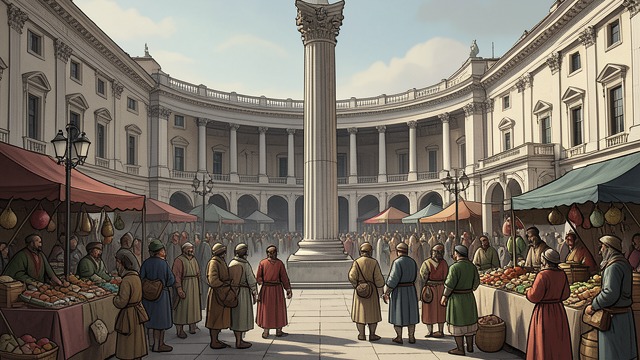
Rome as World Capital
A center of empire
The Forum and streets display peoples and wealth drawn from across Roman dominions.
Confidence in permanence
Romans assume their political order will outlast every rival and every generation.
Rome as a House of Crime
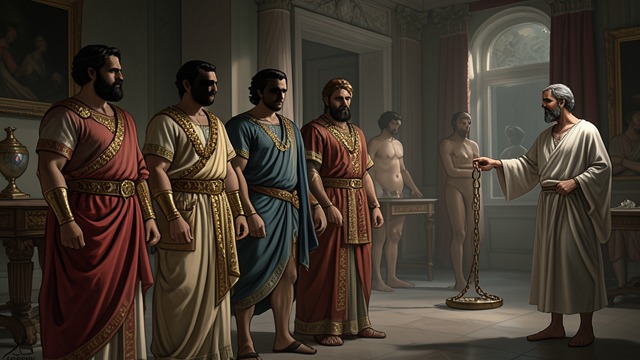
Rome as a House of Crime
Imperial grandeur reinterpreted
Christian teaching reveals the city’s luxury as inseparable from enslavement, fear, and injustice.
A moral challenge
Vinicius begins to wonder whether Rome’s power can be good if its way of life depends on coercion.
Rome in Flames
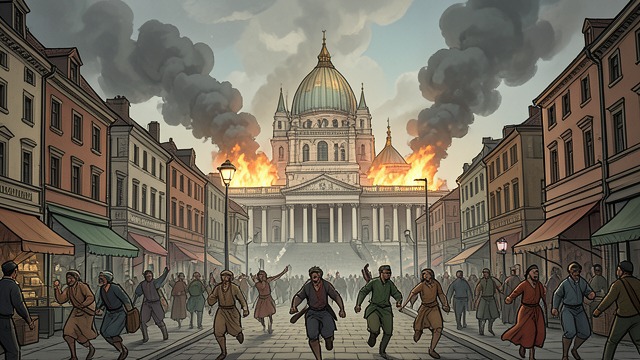
Rome in Flames
Material capital endangered
Fire consumes neighborhoods and monuments, making Rome’s supposedly eternal grandeur visibly fragile.
Moral crisis intensifies
The emperor’s response turns the disaster into a revelation of the gap between power and responsibility.
A Capital in Blood
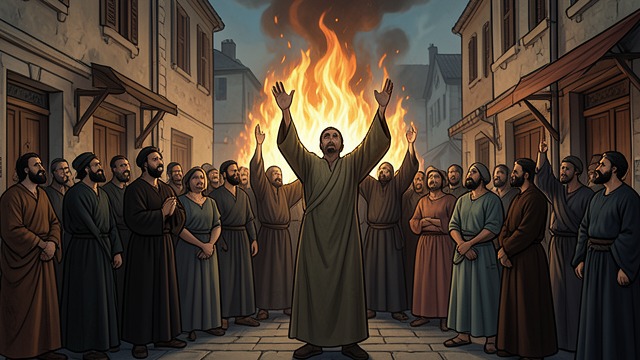
A Capital in Blood
Violence claims the city
Nero uses Rome’s gardens and arenas to execute Christians before crowds, marking the capital with grief and fear.
A competing claim emerges
Peter interprets the city as the place where Christian truth may eventually take root.
The Future City
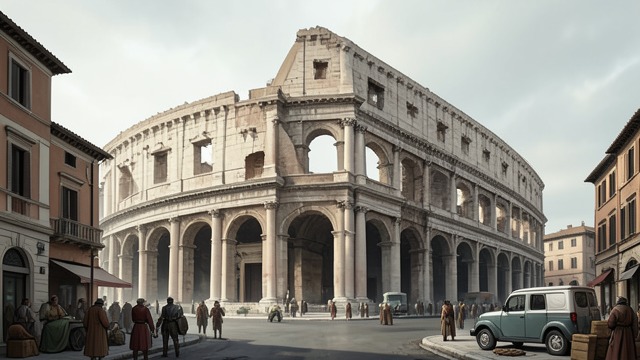
The Future City
Imperial permanence disproved
Nero dies, and the supposedly invincible ruler becomes part of a passing political order.
A new inheritance
The final image of Peter’s basilica suggests that the city’s identity will be remade by the faith Nero tried to suppress.
During Vinicius’s return to the city
As Vinicius hears Christian teaching
During the Great Fire
During the martyrdoms and public games
In the epilogue after Nero’s death
